
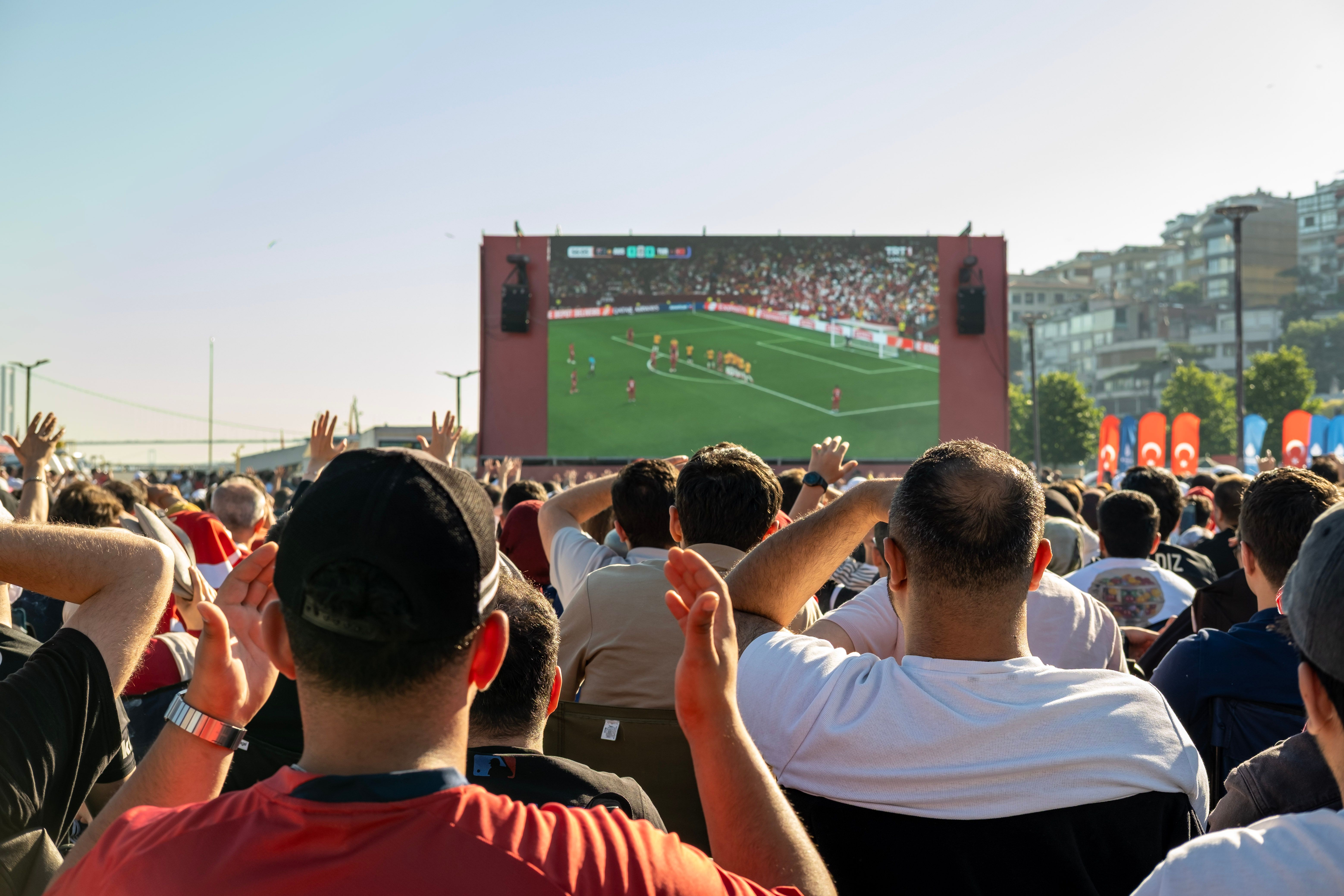
The last round of group fixtures is played at the same moment across a group, and the rule exists because of a specific failure. Staggered kick-offs once allowed two teams to arrange a result that suited both.
The problem the rule solves
If one match in a group finishes before another begins, the teams in the later fixture know exactly what result sends both of them through.
Where such a result exists, neither side has any reason to attack. The match becomes a formality played out in front of a paying crowd.
No rule against it can be enforced, because a team cannot be punished for failing to try hard enough. The only workable fix is removing the information.
Simultaneity restores uncertainty
When both matches run together, a team cannot know whether a comfortable scoreline is still sufficient. The other result may change at any moment.
That uncertainty forces sides to build a margin rather than sit on a number, which usually means continuing to attack when they would otherwise stop.
The fix is elegant because it changes incentives instead of behaviour. Nobody has to be persuaded of anything.
Information still leaks into the stadium
Benches follow the other match on screens, staff relay updates, and crowd reactions travel. Simultaneous does not mean sealed.
Coaches use it openly, adjusting substitutions and pressing intensity when the other group match swings. The information is delayed and partial rather than absent.
What the rule prevents is certainty. A team can suspect it is safe and cannot know it, which is enough to keep the match honest.
Why earlier rounds stay staggered
Broadcasters want matches spread across a day, and the commercial case for staggering is strong when nothing depends on the other result.
In the first two rounds, no combination of results can guarantee qualification or elimination for most teams, so the incentive problem does not arise.
The rule is therefore applied only where it is needed, which is also why it appears in continental tournaments and league group stages with the same structure.
The edge cases the rule cannot reach
Groups occasionally resolve so early that a final match is meaningless to both sides, and simultaneity does nothing about a genuine dead rubber.
Knockout brackets can also make a lower finishing position more attractive, which creates a quieter version of the same incentive.
Those cases are harder to design around, because the reward sits in a future round rather than in the current group. Simultaneous kick-offs solve the visible half of the problem.